Introduction
This blog offers practical tips on creating a successful web design portfolio and showcasing skills, style, and experience, as it is often the first thing potential employers and clients consider when considering a candidate.
- Highlight Your Best Work
Prioritize Quality Over Quantity
Select projects that best represent your skills and range. Including too many projects can dilute the impact of your best work. Aim for a mix of projects that showcase versatility but also highlight your specialization and strengths. - Tell the Story Behind Each Project
Provide Context
For each project, include a brief description that explains the context, your role, the objectives, and the outcomes. Describe the challenges you faced and how you addressed them. This not only adds depth to your portfolio but also demonstrates your problem-solving ability. - Showcase a Variety of Skills
Diverse Technologies and Styles
Include projects that show a range of skills—responsive design, user interface design, graphic design, and front-end development, if applicable. This variety will appeal to a broader audience and demonstrate your versatility. - Include Client Testimonials
Leverage Positive Feedback
If possible, include client testimonials and endorsements. Positive feedback from real clients enhances your credibility and provides an external perspective on your work’s impact. - Make It Easy to Navigate
User-Friendly Design
Ensure your portfolio website is easy to navigate with a clean, intuitive layout. Users should be able to find information quickly without being overwhelmed. A well-organized portfolio reflects your professionalism and attention to the user experience. - Optimize for Performance
Fast Loading Times
Ensure that your portfolio website loads quickly. Optimize images and minimize code as necessary. A fast-loading site not only improves the user experience but also positively affects your SEO rankings. - Responsive Design
Mobile Compatibility
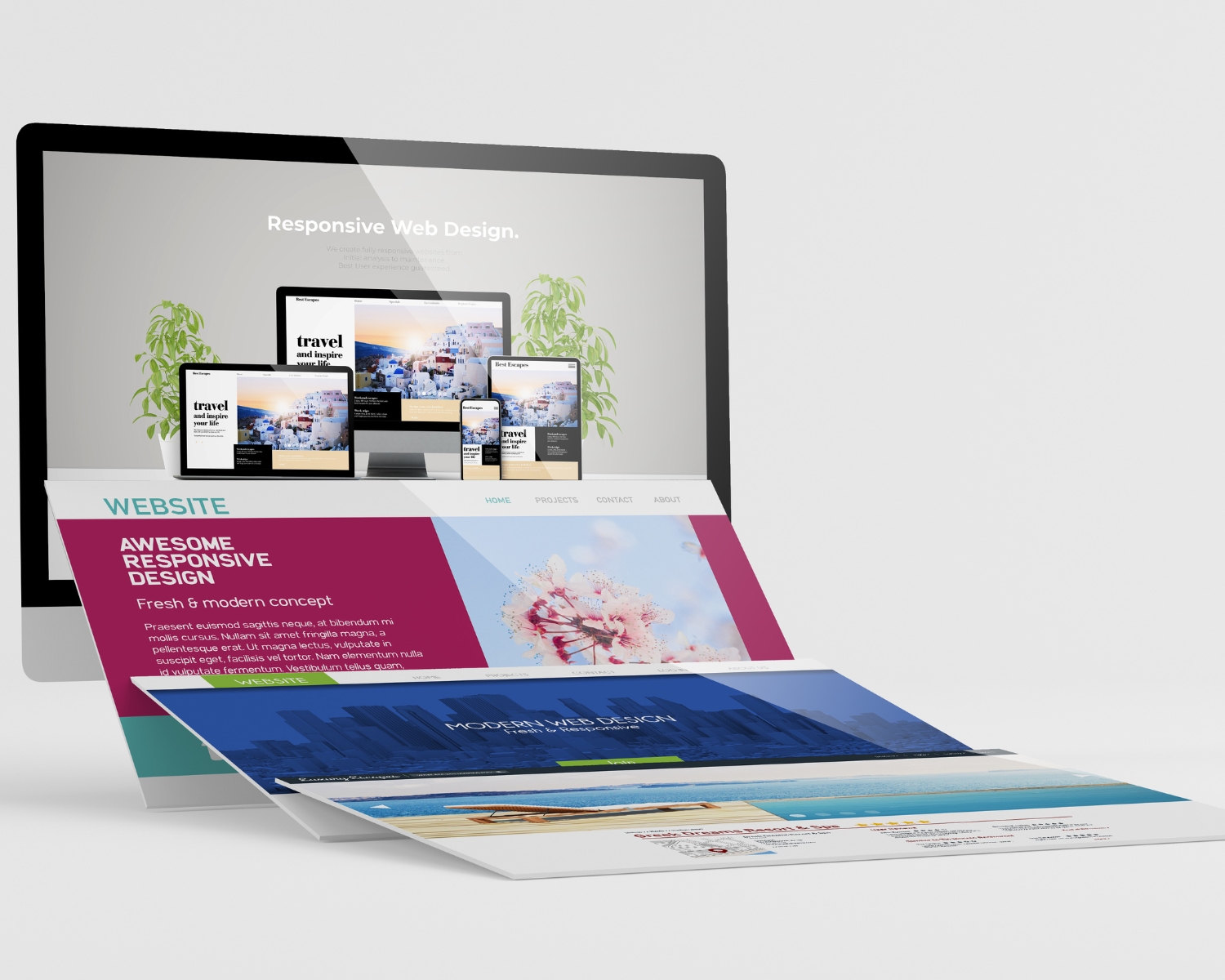
Your portfolio itself must be an example of your web design prowess. Ensure it’s responsive and looks good on all devices. This demonstrates your understanding of current web standards and responsiveness in design. - Personal Branding
Unique Visual Style
Incorporate elements of your brand into the design of your portfolio. This could be a consistent color scheme, typography, or a logo that represents you. Personal branding helps make your portfolio memorable. - Update Regularly
Keep It Current
Regularly update your portfolio with new projects and remove older ones that may no longer represent your best work. Keeping your portfolio updated shows that you are active and evolving in your career. - Include a Professional Bio and Contact Information
Make It Easy to Reach You
Provide an “About Me” page with a professional bio that offers insight into your professional journey and skills. Include clear contact information or a contact form to make it easy for potential clients or employers to reach you.
Conclusion
A well-curated web design portfolio should showcase technical skills, creativity, and a compelling story about one’s professional journey. It should be continually refined to reflect growth and desired projects or jobs.