
Your cart is currently empty.
Essential Contracts Every Small Business Should Have
-
- November 10, 2026
- 0 Comments

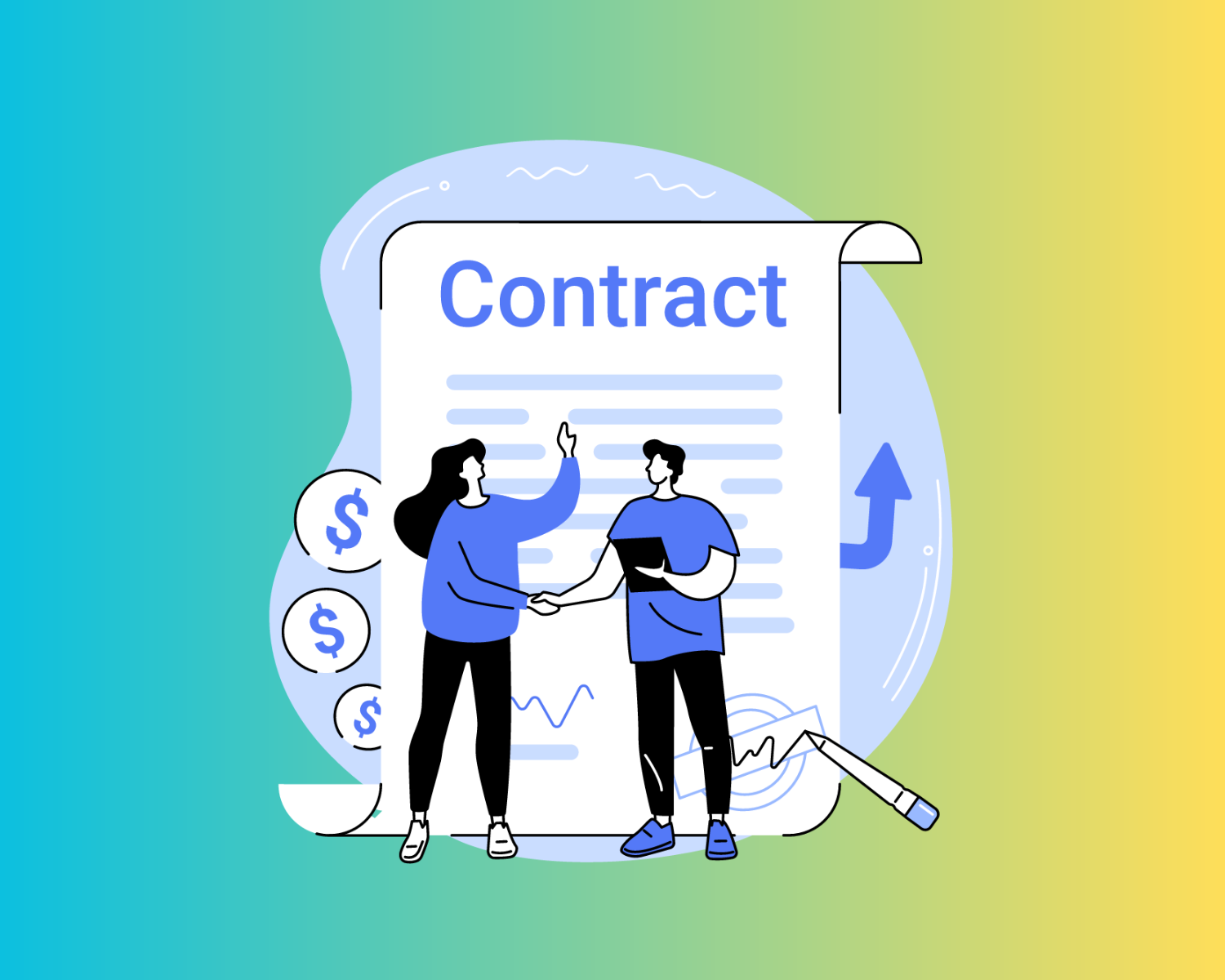
Why Contracts Matter for Small Businesses
Running a small business involves relationships with customers, contractors, suppliers, employees, and business partners. Clear contracts set expectations before work begins and reduce misunderstandings when responsibilities, payments, or deliverables are unclear.
Contracts should be appropriate for the specific relationship and jurisdiction. While templates can be a useful starting point, businesses should seek professional legal advice for complex or high-value arrangements.
1. Client or Service Agreement
A service agreement explains what your business will provide to a customer. It can outline the scope of work, deliverables, deadlines, payment terms, revisions, responsibilities, and termination conditions.
This is particularly important for consultants, agencies, freelancers, and service-based businesses.
2. Non-Disclosure Agreement
A Non-Disclosure Agreement (NDA) can help protect confidential information shared between businesses and their customers, contractors, or partners.
It can define what information is confidential, how it may be used, and what happens when the relationship ends.
3. Independent Contractor Agreement
If your business works with freelancers or independent contractors, a written agreement can clarify responsibilities, compensation, deadlines, confidentiality, and work ownership.
It can also help establish the intended nature of the working relationship.
4. Employment Agreement
Businesses with employees may use employment agreements to document important terms such as compensation, responsibilities, working arrangements, confidentiality, and applicable policies.
Employment laws vary, so agreements should fit the relevant jurisdiction.
5. Terms and Conditions
Terms and conditions set the rules for how customers use your website, purchase products, or engage with your services.
They can address payment, cancellations, refunds, intellectual property, limitations, and other relevant business terms.
6. Privacy Policy
Businesses that collect personal information through websites, forms, accounts, or transactions should provide privacy information explaining how they collect and use data.
Privacy requirements depend on the business and the jurisdictions in which it operates.
7. Partnership or Operating Agreement
If multiple people own a business, an appropriate agreement can clarify ownership interests, decision-making, responsibilities, profit distribution, and procedures for handling disagreements or ownership changes.
Build Your Contract Library With Dynamic Brand Gurus
At Dynamic Brand Gurus, we provide practical digital products and downloadable business resources designed to help entrepreneurs organize important aspects of running a business.
Our Contracts & Agreements Starter Pack for Small Business includes 12 essential agreements covering areas such as services, NDAs, independent contractors, terms, privacy, and more. It provides a practical starting point for business owners who want to organize their contract documentation.
Put Agreements in Place Before Problems Arise
Contracts are most useful when expectations are clear from the beginning. Appropriate agreements can help businesses establish responsibilities, protect key interests, and maintain more professional relationships.
Use reliable resources as a starting point, review every agreement carefully, and seek qualified legal advice when needed.
#DynamicBrandGurus #SmallBusiness #BusinessContracts #Entrepreneurship #BusinessTips #StartupResources #LegalTemplates #BusinessResources #SmallBusinessTips #BusinessGrowth
Why Every Freelancer Needs a Written Client Agreement
Freelancing offers flexibility, independence, and the freedom to choose your projects, but it ...

Why Every Business Needs a Compliance Calendar
Staying Ahead of Important Business Requirements Running a business involves more than serving ...

How to Move Your Business to Another State
Plan the Move Before Making Changes Moving a business to another state can ...